By Anne Tergesen
Feb. 23, 2026
Small businesses from farms to sports clubs are now offering 401(k)s to their employees, filling what has long been a hole in America’s retirement savings system.
The number of workers at small businesses with access to 401(k)-style plans has grown by nearly six million since 2019, according to a report published Saturday by Gusto, a payroll and benefits provider.
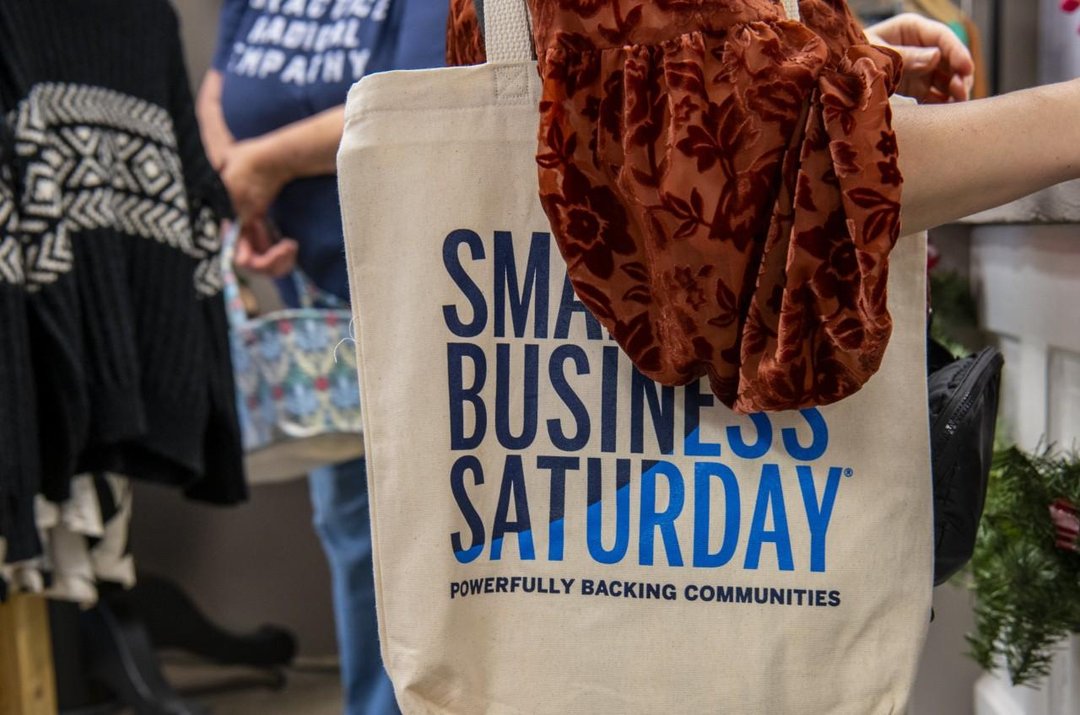
Small companies have lagged behind larger ones in offering 401(k) plans, but they are starting to catch up. Sergio Flores for WSJ
Among them is Sherrell Martin, CEO of Nitram Financial Solutions, who started a 401(k) plan a few years ago for her then six-person firm, which handles accounting and bookkeeping services for professional-service companies and faith-based schools.
Martin said she added the 401(k) to help her National Harbor, Md., company attract and retain workers. She also wanted to save for her own retirement, something she had put on hold after launching the firm in 2012.
“As an accountant, I understand the importance of investing and saving for the future, but I wasn’t doing it,” said Martin, who was worried about the cost of matching contributions and administrative fees.
Small businesses have lagged behind larger ones in offering 401(k)s, in part because of the cost of setting them up and the time involved. But in recent years, 401(k) adoption has picked up among smaller employers in response to a competitive job market, relatively new tax credits, and laws in several states that require many employers to give workers a way to save.
Many small firms are making peace with the costs associated with the plans. And some of those costs are coming down, thanks to enhanced tax credits and the rise of lower-cost online providers. Many of them cater to small businesses, a group that has historically paid higher fees.
For years, policymakers have been searching for ways to make retirement-savings plans attractive to small businesses, which employ more than 62 million Americans. Tax credits and new options—including simplified 401(k)s offered by digital record-keepers—have helped.
Congress in 2019 created a new type of plan, called a pooled employer plan, or PEP. It allows unrelated firms to join in the same offering, an arrangement that is gaining popularity among small businesses.
This is occurring as a relatively new law is pushing more workers into 401(k) plans. Under it, employers with plans created since the end of 2022 are required to automatically enroll workers, who can opt out.
“We’re starting to see upward momentum in closing that gap,” said Chris Bailey, director of the retirement practice at Cerulli Associates, a consulting firm in Boston.
Martin’s firm, Nitram, pays $2,000 a year in administrative fees. It also matches 100% of the first 3% of pay, plus half of the next 2%.
While some of the firm’s past employees have participated and some of her new hires are interested, Martin is the only one in the plan right now. She is contributing the maximum to her own account.
According to the report Gusto released Saturday, 21.2 million employees at firms with two to 99 workers have access to a 401(k)-style account, up from 15.6 million in 2019.
In contrast, at bigger firms with over 500 workers, 90% have a retirement plan, according to Cerulli, which used Labor Department data. That has been virtually flat since 2019.
By 2030, Cerulli expects there to be nearly one million smaller 401(k) plans with under $5 million in assets. That is a roughly 30% jump from an estimated 772,000 today. This is making small businesses the main growth engine for retirement-plan adoption. For 401(k) plans with more than $5 million in assets, Cerulli forecasts a growth rate of just 3%.
Gains have been especially strong among hourly, lower-income and Black and Hispanic workers, who historically have been less likely to have access to a workplace savings plan, according to Gusto’s chief economist Andrew Chamberlain, whose colleagues crunched the numbers using anonymized data from the firm’s more than 400,000 payroll clients nationwide.
Chamberlain attributed the growth in part to laws in more than 15 states that require companies to offer a retirement savings option. In states including Illinois, California and New York, many employers without a retirement savings plan must either start one or facilitate the enrollment of their workers into a state-run program.
Employers in states with such mandates are starting retirement plans at higher rates than companies in states without them, said Chamberlain.
For many small-business owners, the 401(k) has an edge due to its higher savings limit. This year, individuals can put away up to $24,500, versus a maximum of $7,500 in the Roth IRAs most state plans use.
More small employers are also joining pooled employer plans, which aim to make it easier for small businesses to provide retirement savings plans. As of year-end 2024, there were 340 active pooled plans, according to Bailey at Cerulli, who said the numbers are growing rapidly.
Pooled employer plans are attractive to employers of all sizes because they offer professional management and can bargain for lower fees than many companies could get on their own, said Holly Verdeyen, U.S. defined contribution leader at Mercer. The consulting firm sponsors a pooled employer plan with 31 companies, up from 19 a year ago.
As of late 2024, Cerulli estimates more than 51,000 employers had joined a pooled plan. Most are small companies, and Cerulli estimates about half are providing a 401(k) for the first time.
Write to Anne Tergesen at anne.tergesen@wsj.com
This Wall Street Journal article was legally licensed by AdvisorStream.
Dow Jones & Company, Inc.